
Every digital space is an arrangement of weight, rhythm, and pause — a quiet negotiation between what is shown and what is withheld. In that sense, design is not decoration but structure: a way of guiding perception through form.
Most interfaces attempt to demand attention through movement, colour, and density. But the most enduring ones do the opposite. They create stillness. They allow space for the eye to settle before it moves. They understand that clarity is not the absence of detail, but the control of it.
Typography becomes the first architecture. Scale determines hierarchy; spacing determines pace. A large heading is not louder because of its size, but because of the silence around it. The grid is not a constraint, but a method of discipline — a way to ensure that nothing competes unnecessarily.
Images behave in the same way. They are not placed to fill space, but to anchor it. In well-composed systems, an image does not interrupt the layout — it completes it. It gives the viewer a point of rest before moving again.
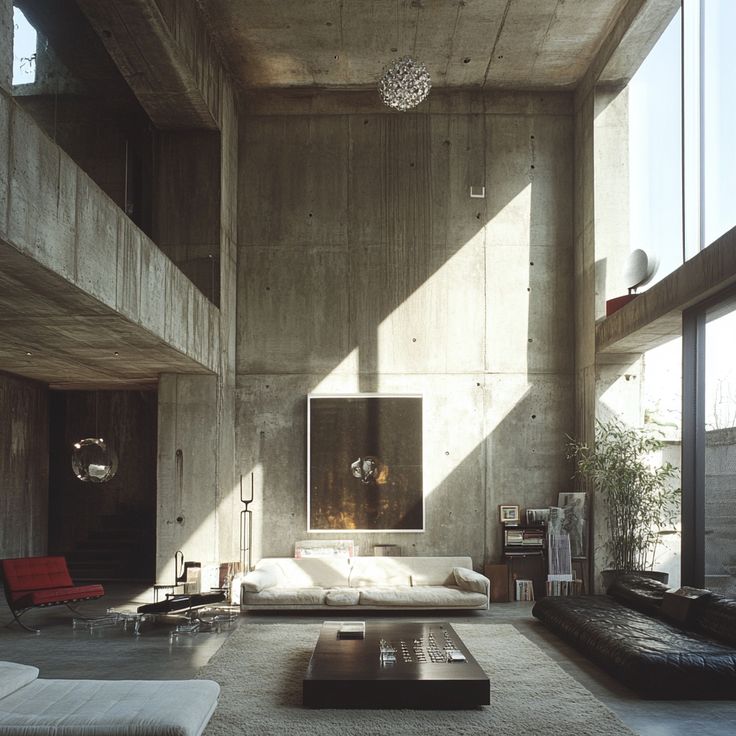
Attention, then, is not linear. It is spatial. It moves through structure the way light moves through a building — guided by openings, compressed by thresholds, expanded in moments of release.
The role of design is not to hold attention indefinitely, but to choreograph it. To know when to lead, and when to step back. To understand that the most powerful moment in any system is often the pause between two elements.
In this way, a website is not a surface. It is an architecture of perception — built not from materials, but from time, spacing, and intent.